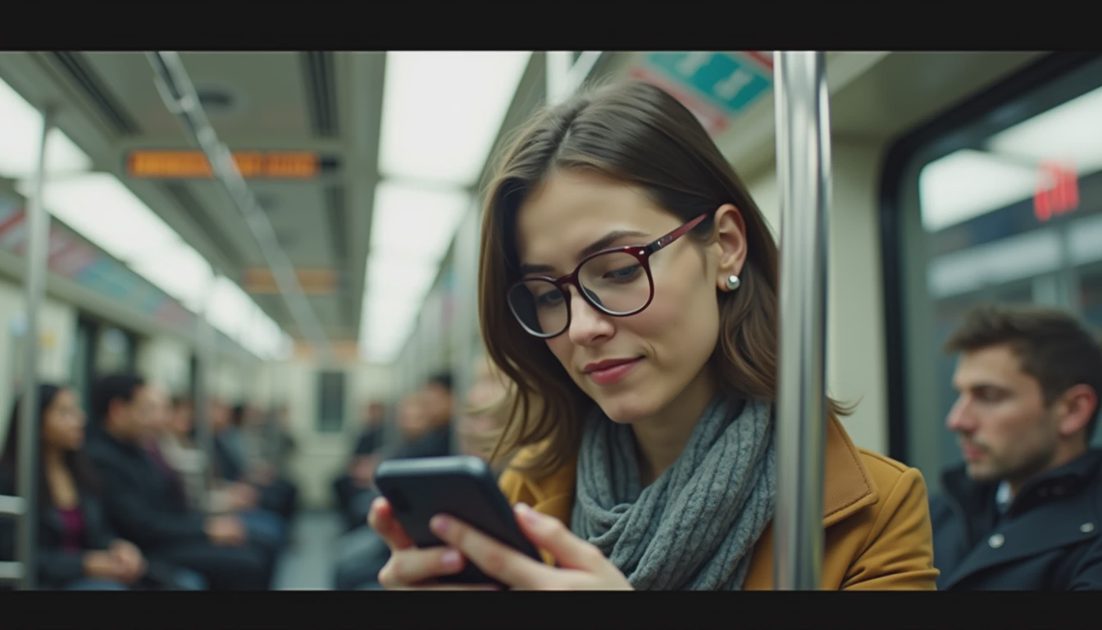
Generative AI business news has a new arena that looks like an old one: search. Assistants answer in paragraphs. Classic results pages add summaries. Browsers and operating systems propose to skip the click. Users gain speed and a synthesized starting point. Publishers risk the visit, the ad, the subscription pitch, and the context that used to sit around the facts.
AI news analysis should hold both sides without turning the story into a morality play. I read news on my phone on the subway like everyone else. I also used to work in newsrooms that paid reporters from a mix of ads, subscriptions, and licensing. The incentives are in conflict. Pretending they are not is how you get empty archives and fluent answers with nowhere to go next.
What Actually Changed in the Product
Search used to rank pages and let you choose. Generative interfaces rank, compress, and speak. Sometimes they cite. Sometimes the citation is ornamental. Sometimes they browse. Sometimes they answer from model memory and hope. That is the product change. Everything else is distribution politics.
Users gain a lower effort path for certain queries: how-tos, comparisons, boilerplate explanations. They lose, unless the product is careful, the friction that used to expose disagreement between sources. Friction is annoying. It is also how you notice that two hospitals, two courts, or two datasets disagree.
User gains that are real
Faster first drafts of an answer for low-stakes questions
Natural-language access to tools (calculator, translator, code) inside the same pane
Less tab management for simple tasks
Accessibility benefits for people who struggle with dense results pages
Read the announcement. Then read the incentives. The incentive of the search company is to keep the session. The incentive of the publisher is to have a session of their own.
What Publishers Are Defending
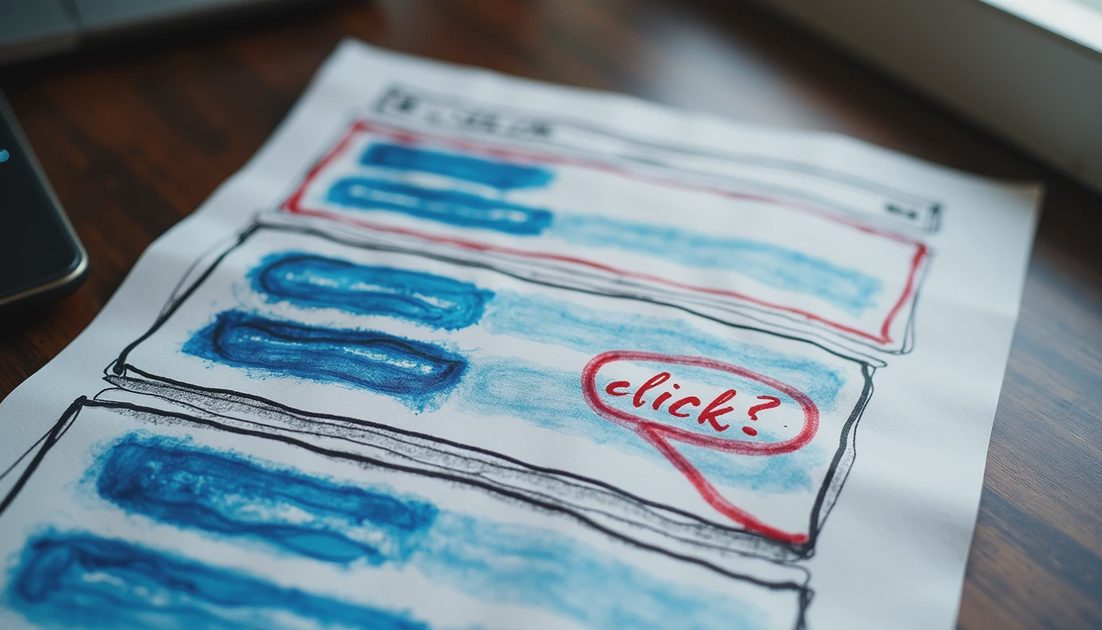
Publishers are not a monolith. A national newspaper, a niche trade, a local site, and a database company have different businesses. What they share is a need for someone to arrive. If the answer is extracted and the click never happens, the extraction is a cost center for the source and a feature for the intermediary.
There are experiments: licensing deals, blocking crawlers, lawsuits, and special markup for machines. None has yet produced a public, durable market that replaces the visit at scale. AI copyright regulation collides with this story, but the search war is also about product design: how visible is the source, how persistent is the link, how much of the article is quoted, and who the user believes.
A risk grid
Publisher type | What they need from search | What a summary-first product threatens |
|---|---|---|
Ad-supported news | Volume of visits | Fewer pageviews |
Subscription news | Sampling that converts | Answers that reduce the need to sample |
Local news | Discovery of unique coverage | Extraction without community context |
Trade / data | Authority and licensing | Substitution by a fluent paraphrase |
Independent writers | Direct relationship | Disappearance into an uncited blend |
Artificial intelligence industry news that only interviews the platform will describe user delight. That delight is not imaginary. It is also not the whole ledger.

The Citation Problem Is a Trust Problem
A footnote that does not lead to the passage used is decoration. A synthesized answer that blends three sources into a fourth voice makes errors harder to locate. Users gain confidence they may not have earned. Publishers lose the ability to correct the record in their own URL.
I do not think the solution is to freeze search in 2015. I do think products that want to be treated as infrastructure should make provenance as boringly reliable as a library catalog. Boring reliability is not the current design fashion.
Questions I ask of any AI search launch
Are citations tied to the specific claims, or dumped as a pile of links?
Can a publisher opt out of training, retrieval, or both, separately?
What happens to local and original reporting in the ranking of the summary?
Is there a paid path that is not “hope the user clicks”?
How are hallucinations in current-events answers handled after publication?
If those answers are marketing, the product is still a prototype of a media system, not a finished one.
What I Tell Readers Who Just Want an Answer
Use the synthesized pane for low-stakes orientation. Click through when the answer would change a purchase, a vote, a medical decision, or a public accusation. That is not nostalgia. That is hygiene. I still browse independent bookstores and old newspaper shops because the physical object reminds me that someone paid for the first copy. The internet made that easy to forget. Generative search makes it easier.
Here is what changed, and what did not. Interfaces got better at talking. The economics of original reporting did not get a matching upgrade. Who really benefits, and who really pays? Platforms that hold the query box benefit. Users benefit on speed. Publishers and the public pay if the well of original work dries up. This is meaningful product competition. It is not yet a settlement.
Keep both the gain and the risk in the same piece. That is the brief.
No notes on this sheet yet.